





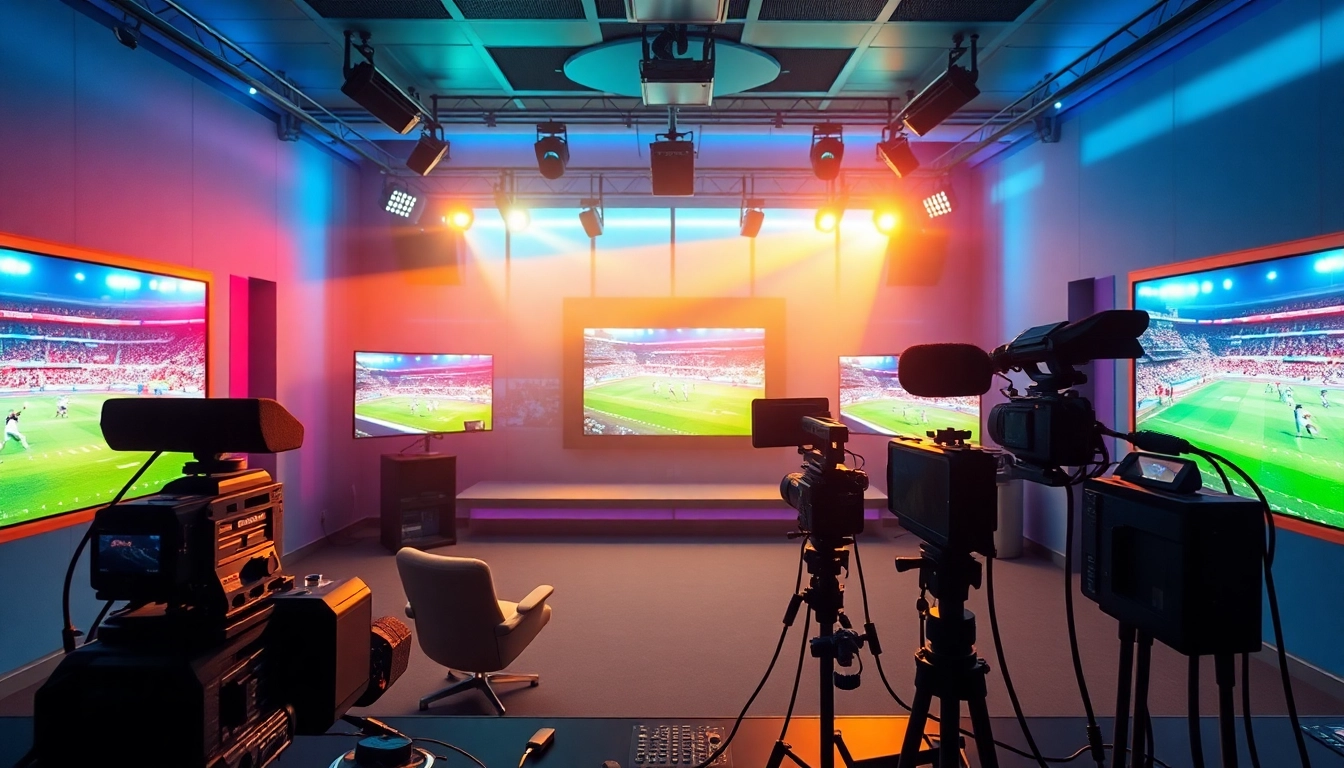
Introduction to Sports Broadcasting
Definition and Importance
Sports broadcasting refers to the dissemination of live or recorded sports events to a wide audience through various media channels including television, radio, and online platforms. It plays a critical role in the sports ecosystem by connecting fans with their favorite events, teams, and athletes. As a vital means of communication, sports broadcasting enhances viewer engagement, drives revenues through advertising and sponsorship, and shapes the public perception of sports.
The importance of this field extends beyond mere entertainment. It acts as a cultural phenomenon, influencing social interactions and community building. As audiences increasingly seek real-time engagement with events, the development of platforms for Sports Broadcasting has become pivotal in delivering experiences that resonate with viewers.
History and Evolution
The roots of sports broadcasting can be traced back to the early 20th century when radio became the first medium to transmit live sports events. The first major broadcast of a sports event took place in 1921, featuring a boxing match, which marked the beginning of a transformative journey for how audiences consume sports. The advent of television in the 1950s brought a revolution, as it enabled live coverage of major sporting events, attracting millions of viewers and reshaping the broadcasting landscape.
Over the decades, technological advancements have drastically changed how sports content is produced and consumed. The 1980s and 1990s saw the emergence of cable television which expanded viewing options and introduced channels dedicated solely to sports. The turn of the century brought about digital platforms and streaming services, further broadening access to sports content. Today, we see virtual and augmented reality beginning to play a role in sports broadcasting, allowing viewers to experience events in groundbreaking ways.
Current Trends in Sports Broadcasting
Modern sports broadcasting is heavily influenced by technological advancements and changing viewer preferences. The rise of digital streaming platforms has transformed the landscape, with services such as OTT (Over-The-Top) becoming increasingly mainstream. Audiences now expect on-demand content delivery, highlights, and multi-platform access that enhances their viewing experiences.
Another trend is the increasing personalization of content. Networks are leveraging data analytics to provide tailored experiences, offering viewers options to follow specific teams or events. Social media has also become an invaluable tool for sports broadcasters, integrating real-time engagement through platforms like Twitter and Instagram, which facilitate discussions, highlight sharing, and behind-the-scenes content.
Key Players in Sports Broadcasting
Networks and Channels
Several key players dominate the sports broadcasting landscape, including major networks that have invested heavily in exclusive broadcasting rights for high-profile events. These networks include established entities often accessed via cable as well as newer digital platforms that provide flexible viewing options. Sports channels have diversified content offerings, creating programs around analytics, commentary, and fan interaction, ensuring rich and engaging viewing experiences.
Production Teams
Behind every successful sports broadcast is a robust production team composed of various specialists, including directors, producers, cameramen, and sound engineers. These professionals work collaboratively to create a seamless broadcast experience, from capturing the energy of live action to delivering high-quality replays and highlight packages. The coordination of such teams is vital, as they must adapt swiftly to the dynamic nature of live sports.
Broadcast Talent and Analysts
Broadcast talent, including commentators, analysts, and on-field reporters, play a crucial role in the delivery of sports content. Their expertise not only enhances storytelling but also offers insights that deepen viewer understanding. Broadcasters often develop a rapport with their audience, making the viewing experience more enjoyable. The prominence of social media has allowed talent to further connect with fans beyond the broadcast, contributing to their personal brands.
Technologies Influencing Sports Broadcasting
Live Streaming Solutions
Live streaming technology has revolutionized how fans engage with sports. Viewers can now watch live events on-demand from various devices, significantly broadening access. Platforms utilize adaptive bitrate streaming to optimize video quality based on the viewer’s bandwidth, ensuring a better experience. Innovations such as cloud services also allow for efficient content delivery and management, reducing costs and improving scalability.
High-Definition Video and Graphics
High-definition video technologies have transformed sports broadcasting by providing viewers with crystal-clear images that enhance engagement. Advances like 4K and 8K video feed offer unprecedented viewing quality. In addition, sophisticated graphics and augmented reality integrations enable broadcasters to present data visually, utilizing real-time stats and analytics that enrich viewers’ understanding and enjoyment of the game.
Innovations in Remote Broadcasting
The COVID-19 pandemic forced the sports broadcasting industry to accelerate its transitions to remote broadcasting solutions. Innovations such as cloud-based production systems and remote camera operations proved to be essential for maintaining the continuity of live sports coverage. Such advancements allow for high-quality broadcasts from various locations and have introduced flexibility that is likely to remain a part of the industry’s future.
Strategies for Successful Sports Broadcasting
Audience Engagement Techniques
Engaging the audience is a cornerstone of successful sports broadcasting. Techniques such as interactive polls, live chat features, and gamification strategies can enhance viewer involvement. Broadcasters also leverage social media platforms to foster engagement, create communities, and facilitate real-time conversations, thus bridging gaps between the viewers and the event itself.
Advertising and Sponsorship Opportunities
Advertising in sports broadcasting has evolved from traditional TV slots to targeted digital campaigns. Brands are seeking partnerships with broadcasters to target niche audiences effectively. Sponsorships can take many forms, from traditional commercials to branded content and interactive ads that integrate into the broadcast. Understanding how to create value for sponsors while enhancing viewer experience is key.
Utilizing Social Media for Broadcasts
Social media platforms provide invaluable opportunities for promoting sports broadcasts. By sharing highlights, behind-the-scenes content, and engaging with fans, broadcasters can drive higher viewer engagement. Real-time updates on platforms like Twitter and Instagram create a sense of urgency that can boost viewership during live events, making social media an essential component of modern sports broadcasting strategy.
Measuring Success in Sports Broadcasting
Key Performance Indicators (KPIs)
KPIs are crucial for assessing the success of sports broadcasts. Metrics such as viewership numbers, engagement rates, and demographic breakdowns help broadcasters understand audience behavior and preferences. Additionally, metrics like average view duration and peak concurrent viewers provide insights into how effectively content resonates with audiences, informing future programming decisions.
Viewer Feedback and Interaction Metrics
Viewer feedback can come in various forms, including surveys, social media comments, and engagement analytics. Analyzing these interactions can offer valuable insights into what audiences enjoy or dislike about broadcasts. Continuous feedback allows for ongoing improvements, creating more tailored experiences that enhance viewer satisfaction and loyalty.
Adjusting Strategies Based on Analytics
The ability to pivot based on performance analytics is essential for success in sports broadcasting. By continuously monitoring KPIs and audience interactions, broadcasters can adapt their strategies to meet viewer expectations and preferences. Implementing data-driven strategies can lead to innovations in content delivery and create a more personalized viewing experience.
Frequently Asked Questions
What is Sports Broadcasting?
Sports broadcasting involves the live or recorded transmission of sports events through various media platforms like TV, radio, and online channels.
Why is Sports Broadcasting Important?
It connects fans with their favorite sports and events, increases engagement, drives revenue through advertising, and shapes community interests.
How Has Sports Broadcasting Changed Over Time?
It has evolved from radio coverage to television and now to digital streaming, adapting to technological innovations and changing viewer behaviors.
What Technologies Influence Sports Broadcasting?
Major technologies include live streaming solutions, high-definition video, augmented reality, and remote broadcasting innovations.
How Can I Measure the Success of Sports Broadcasting?
Success can be measured through key performance indicators (KPIs), viewer feedback, interaction metrics, and adaptability to analytics.