
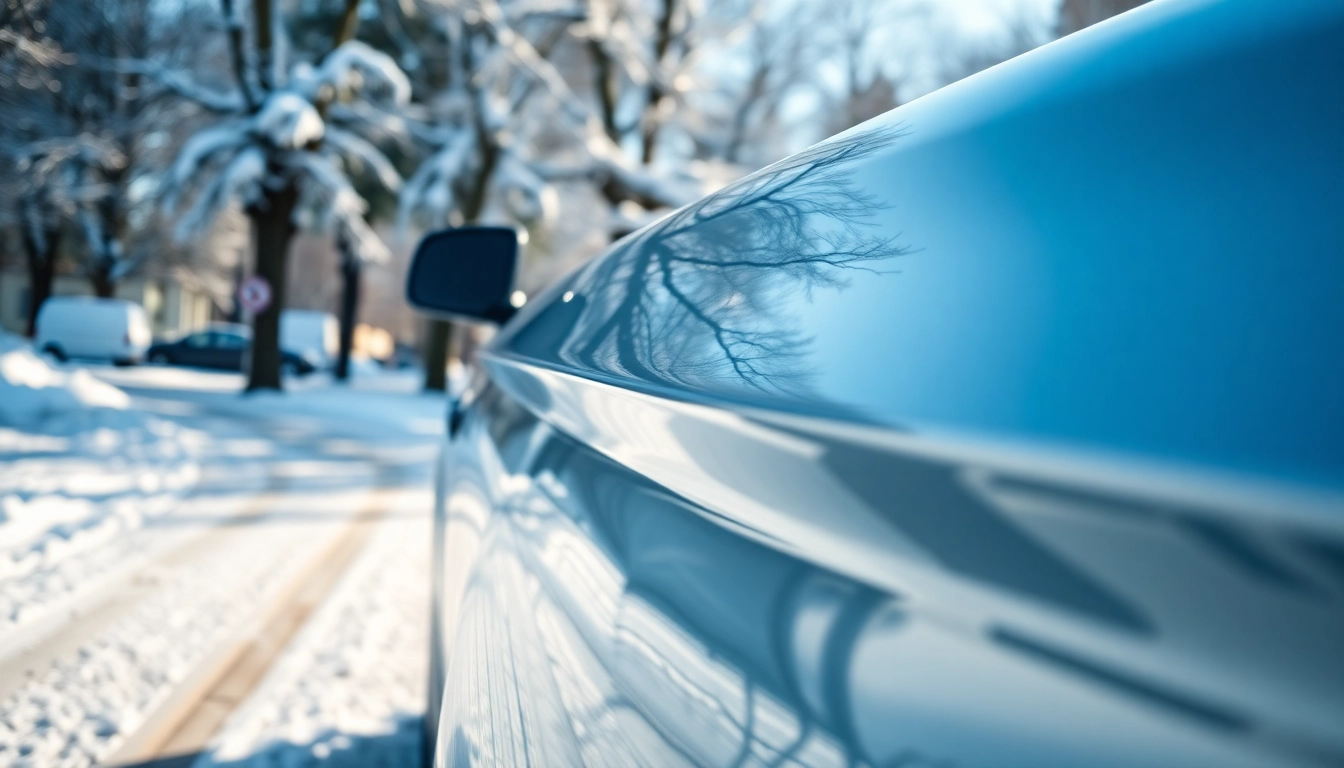
Understanding PPF Winter Road Salt Protection
As winter approaches, many vehicle owners face the dilemma of how to protect their cars from harsh elements, particularly the dreaded road salt used to prevent icy conditions. An emerging solution gaining traction is Paint Protection Film (PPF), specially designed for PPF winter road salt protection. Understanding PPF and its protection capabilities can be vital for maintaining your vehicle’s aesthetic appeal and functionality throughout winter.
What is PPF?
Paint Protection Film (PPF) is a clear, thermoplastic urethane film applied on the surface of vehicles. Engineered to guard against environmental hazards, PPF is essentially an invisible shield for your car’s paint. Its origins can be traced back to the military, where it was used to protect helicopter blades from debris and abrasion. Over the years, it has found its way into the consumer market, being adapted for automobiles and motorcycles alike.
The film is highly flexible, self-healing, and UV-resistant, making it a reliable option for protecting against scratches, chips, and, importantly, corrosive substances like road salt. Its easy application and significant benefits have led to its growing popularity among car enthusiasts and everyday drivers seeking to maintain their vehicle’s value.
Importance of Winter Road Salt Protection
Winter road salt serves a crucial purpose in enhancing road safety by melting ice and preventing black ice formation. However, this seemingly innocuous substance can wreak havoc on your vehicle’s exterior. Over time, the corrosive properties of road salt can lead to premature wear, rust, and significant damage, compromising both safety and aesthetics.
Without adequate protection, vehicles subjected to winter weather are more likely to experience issues like paint chipping and rusting. Therefore, investing in PPF becomes not just a cosmetic choice but a necessary strategy to extend the lifespan of your vehicle and save on future repair costs.
How PPF Works Against Road Salt
PPF functions as a barrier between your vehicle’s paint and the elements. By using a combination of durable materials, PPF withstands the acidic properties of road salt. When the salt encounters the film rather than the paint, it minimizes direct contact that could otherwise lead to degradation. Additionally, PPF’s self-healing properties ensure that minor abrasions disappear with heat or sunlight, thereby restoring the film’s surface. This attribute significantly enhances longevity and effectiveness against road salt damage.
Benefits of PPF Winter Road Salt Protection
Preserving Your Vehicle’s Appearance
One of the primary benefits of using PPF is the preservation of your vehicle’s aesthetics. The clear film effectively protects against scratches, chips, and fading from sun exposure or environmental pollutants. With PPF installed, your vehicle maintains that new-car shine despite harsh winter conditions. Consequently, this qualifies PPF as an essential investment for countless drivers who want to keep their vehicle looking pristine.
Minimizing Maintenance Costs
While the initial investment in PPF may seem high, it is essential to consider the long-term savings. By protecting your car from corrosion, the need for expensive repainting and maintenance is drastically reduced. PPF essentially acts as insurance against the inevitable wear and tear associated with winter driving. With the correct installation and maintenance, PPF can last for several years, providing extended protection and peace of mind.
Enhancing Resale Value
For many vehicle owners, the resale value becomes a significant consideration. A well-preserved car attracts better offers, and potential buyers often assess the vehicle’s exterior condition closely. By utilizing PPF, you can ensure that your car retains its original finish, effectively increasing its resale value. A vehicle maintained under PPF is seen as a more appealing and valuable option in a competitive market, ensuring a return on your investment.
Choosing the Right PPF for Winter Protection
Types of PPF Available
Choosing the appropriate type of PPF is Crucial for ensuring optimal protection. There are various types of PPF available in the market. Some common categories include:
- Self-Healing PPF: This type of film can repair minor scratches and abrasions on its surface through heat or sunlight.
- Matte Finish PPF: Designed for those who want to maintain a non-reflective look on their vehicle.
- Gloss Finish PPF: This offers a high-gloss finish that enhances the appearance of the vehicle while providing protection.
Different manufacturers may offer unique formulations, so it is crucial to select a well-reviewed option tailored to your specific needs and aesthetic desires.
Key Features to Look For
When evaluating PPF options, consider features such as thickness, durability, and UV resistance. A thicker film may provide better protection against impacts, while UV resistance ensures that the film does not yellow over time. Another important feature to look for is ease of installation, which impacts the overall effectiveness and longevity of the film once applied.
Compatibility with Different Vehicle Finishes
Not all PPFs are created equal, and it’s critical to ensure compatibility with your vehicle’s type of finish. Factors like color, texture, and surface coating can influence how well PPF adheres and performs. Consulting with a professional or the film manufacturer can help guarantee that you select the best option for your vehicle’s specifications.
Proper Application of PPF for Maximum Protection
DIY vs. Professional Installation
A common question among vehicle owners is whether to install PPF themselves or hire professionals. While DIY kits are available, professional installation often ensures a more seamless application. Professionals have the experience, tools, and expertise to apply PPF correctly, which can prevent common issues, such as air bubbles or misalignment. Ultimately, the choice depends on your confidence level and budget.
Step-by-Step Application Process
For those who choose the DIY route, it is essential to understand the application process. Here’s a simplified step-by-step overview:
- Clean the Surface: Wash your vehicle thoroughly to ensure no dirt or debris interferes with the film’s adhesion.
- Measure and Cut: Accurately measure the surfaces to apply PPF and cut the film to size, leaving allowance for edges.
- Pre-Installation Spray: Use a slip solution (water with a few drops of soap) on both the film and the car surface to facilitate installation.
- Position the Film: Place the film on the intended surface, allowing for adjustments if necessary.
- Squeegee Out Bubbles: Carefully use a squeegee to remove air and ensure proper adhesion.
- Trim Excess: Once positioned correctly, trim any excess film for a flush finish.
Although this may look straightforward, attention to detail and patience are crucial in achieving a professional finish.
Common Mistakes to Avoid
When applying PPF, avoiding common pitfalls can make a significant difference:
- Neglecting Surface Preparation: Skipping the cleaning step can lead to reduced adhesion and appearance issues.
- Incorrect Measurements: Cutting too small or too large can result in inadequate coverage or excessive trimming during installation.
- Applying in Poor Conditions: Dusty or humid environments can compromise the film’s adhesion and clarity.
By being aware of these common mistakes, you can take proactive steps to mitigate potential issues during installation.
Maintaining PPF Winter Road Salt Protection
Routine Care and Cleaning Tips
Once PPF is applied, maintaining it requires regular care to ensure its effectiveness. To clean PPF, use pH-neutral car soap and a soft sponge to avoid scratches. Avoid abrasive towels or brushes that could damage the film. Rinse with clean water and dry with microfiber cloths for the best results. Regular cleaning will protect against contaminants like salt and grime that can degrade the film over time.
Seasonal Maintenance Guidelines
As seasons change, so do the maintenance needs for your PPF. In winter, it’s crucial to remove any accumulated salt buildup to prevent corrosion. Using a pressure washer can help effectively remove stubborn residue; however, ensure the pressure is at a moderate level to avoid damaging the film. Regular waxing can also add an extra layer of protection against the elements, enhancing the visual appeal while ensuring longevity.
Signs Your PPF Needs Replacement
Despite its durability, PPF is not invincible. Over time, you may notice signs that it requires replacement. Look out for:
- Yellowing: This indicates that the film’s UV protection is worn down.
- Cracking or Lifting: These are signs of damage or improper application.
- Visible Scratches or Scarring: When the PPF is failings, it may no longer offer an effective barrier.
If you observe these warning signs, it may be time to consider reapplication or replacement of the PPF to maintain optimal protection.
FAQs about PPF Winter Road Salt Protection
1. How long does PPF last?
When properly maintained, PPF can last anywhere from 5 to 10 years, depending on the type and conditions.
2. Can I wash my car with PPF on it?
Yes, but use gentle, pH-neutral soaps and avoid harsh chemicals or abrasive materials that can damage the film.
3. Is PPF removable?
Yes, however, it’s best to have it professionally removed to avoid paint damage underneath.
4. Does PPF change the color of my paint?
No, PPF is clear and designed to enhance and protect your original vehicle color.
5. Can PPF be repaired?
Small scratches may self-heal with warmth from the sun, but significant damage usually requires replacement of the affected area.
